About
Most design leaders describe a moment they stopped designing and started managing. I never had that moment. The work changed, the materials changed, but the underlying practice of looking closely at how something works and exploring how to improve it has stayed constant across sixteen years.
Since October I've been working as an independent consultant, helping growing companies find out why customers aren't converting or coming back, and what to fix first, before they spend money on a rebuild, a redesign or another hire. My current client is a growing multi-channel retailer moving into a store four to five times the size of its current one, where the larger overheads only work if the forecast holds, so the work is joining its online shop, in-store trade and events into one view of the customer.
Alongside that I've been building my own products: three, listed below, each taken from design through to production code rather than handed over at the point where it stops being a drawing.
The common thread is working with AI as a practice rather than a novelty. I keep a cross-project record of what holds up and what doesn't, and the parts that turn out to be invariants become automated checks rather than notes I hope to remember.
Most recently I was Product Design Manager at Intruder, a cybersecurity platform protecting around 3,000 companies. I oversaw three senior product designers, one I coached and promoted into a lead role, and secured buy-in to recruit a brand and campaigns designer to round out the team.
Outside of people management, a lot of my focus was turned to embedding design thinking as a structural pillar supporting how the company made decisions: lobbying for outcome-focused squads, defining product metrics, and building the case for research as a standing practice rather than a project-by-project ask. Before that: Newsflare, Argos, HouseTrip, Lush Cosmetics, and a period of freelance work that taught me as much about client relationships as anything since.
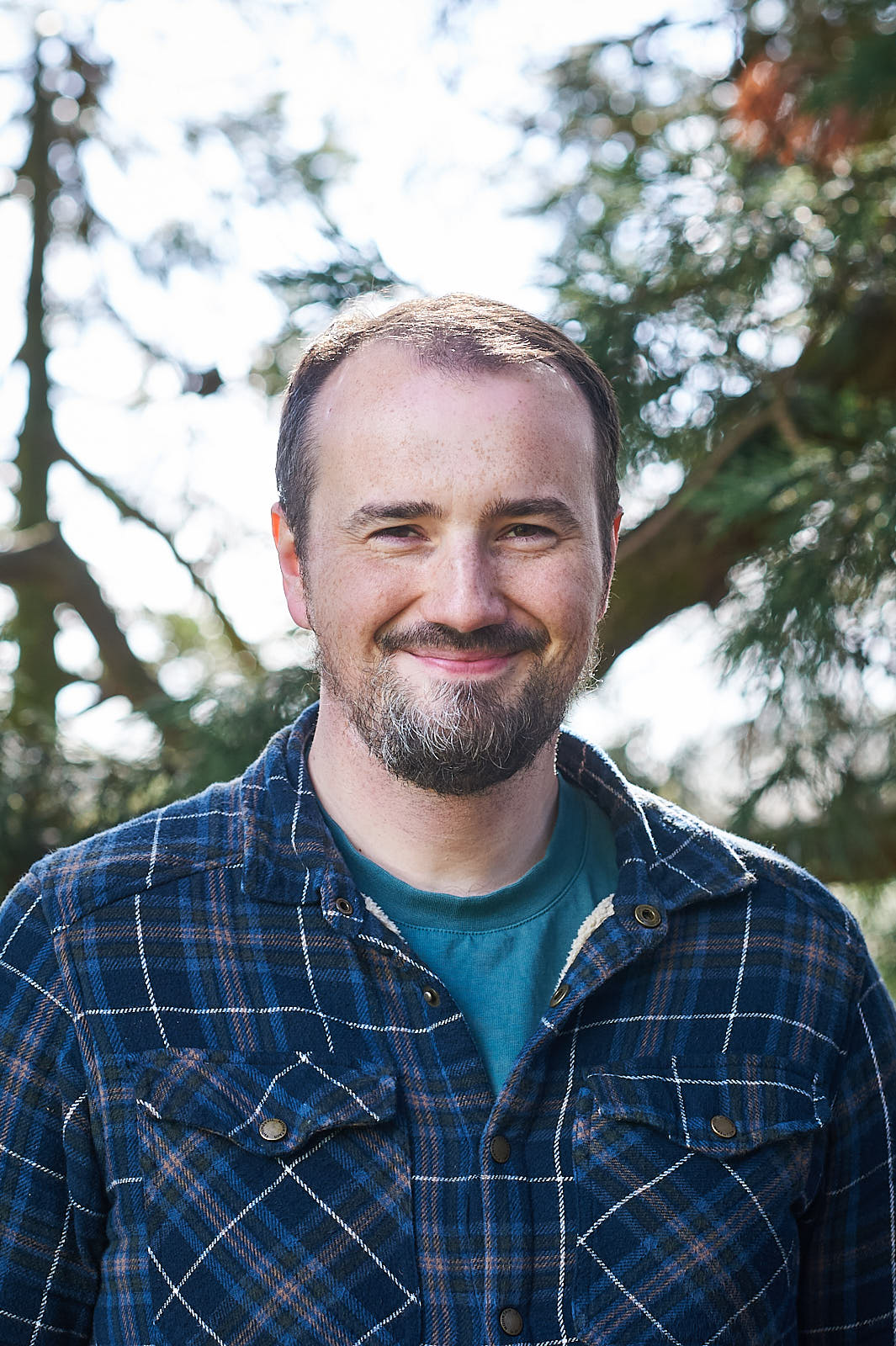
I'm based in Bedford. Outside of work I draw every day, analogue not digital, tend a garden with rewilding intent, and have been building a secondary world for longer than I care to admit. I'm also a father of four.
I write more about how I lead and what I believe about design on the Leadership page, and about the practices I actually work by on How I work.
Paideia
An AI coaching tool for home educators that reads the record of a lesson and coaches the adult who taught it. It runs with one pilot household, so there is no link: the live app holds a real child's schoolwork.
The Stromata
A reading library for public-domain literature, built because most of what is free to read online is presented as though nobody expected anyone to read it. Typesetting and structure are the product here rather than packaging around a text dump.
thestromata.com →Pilgrimage
A fantasy skirmish game for one or two players, set in a secondary world I have been writing for years. The rules live as source text and a pipeline I built turns them into a press-ready PDF, so changing a rule is a rebuild rather than a redesign.