I find where products lose customers and test what wins them back. At Intruder that lifted activation 37%, and for eight years I've built the design teams that keep doing it.
I've led design at Intruder, managing up to four designers, and at Newsflare, where I also oversaw two growth teams of around six. Before that I worked at Argos, HouseTrip and Lush, across consumer apps, marketplaces and B2B platforms.

Selected work
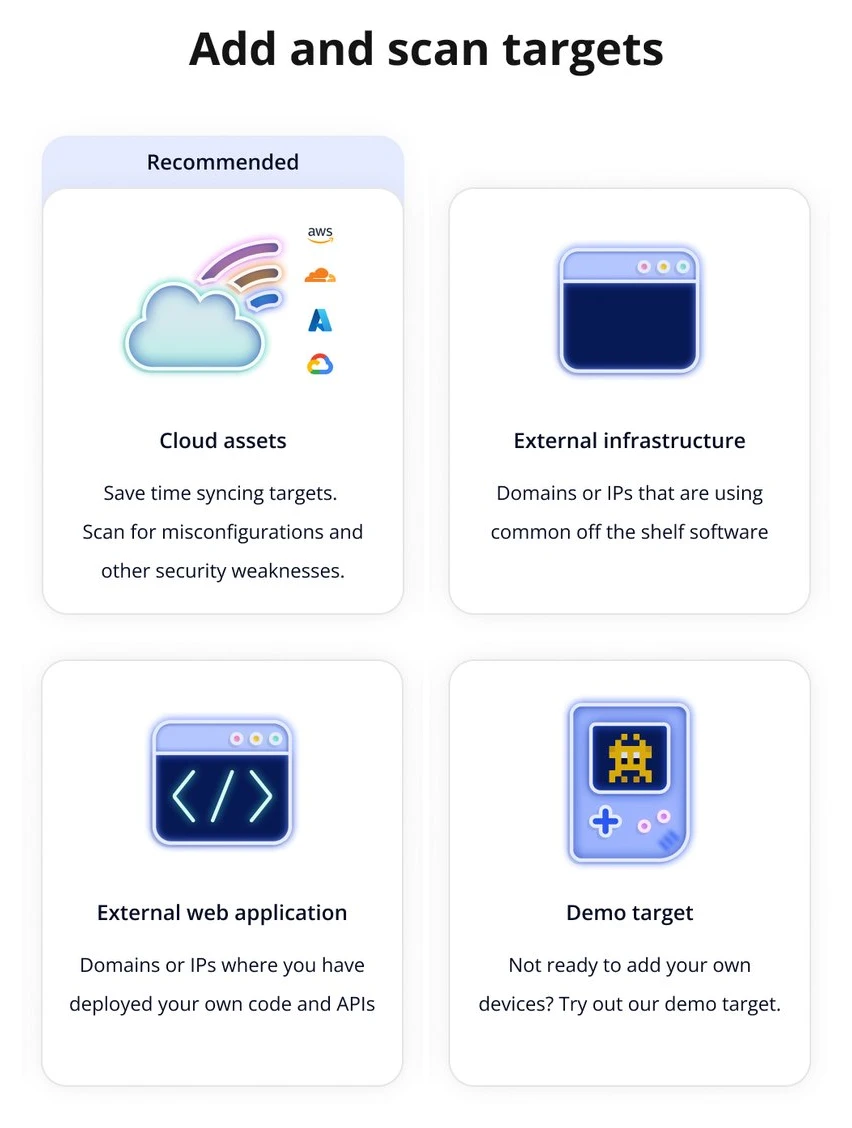
- +37% customer activation after the full release, following +30% in the initial test
- +53% licences bought at activation
- Cloud check results within about 5 minutes of connecting a cloud account, against about 71 minutes for a standard scan
Improving activation by cutting onboarding from 21 steps to one
Lead designer and project lead, owning product direction
Research showed Intruder's 21-step onboarding was harming conversion. I proposed removing it entirely rather than condensing it, and made that testable by agreeing the decision rule in advance: keep the change unless conversion fell by more than 1%.

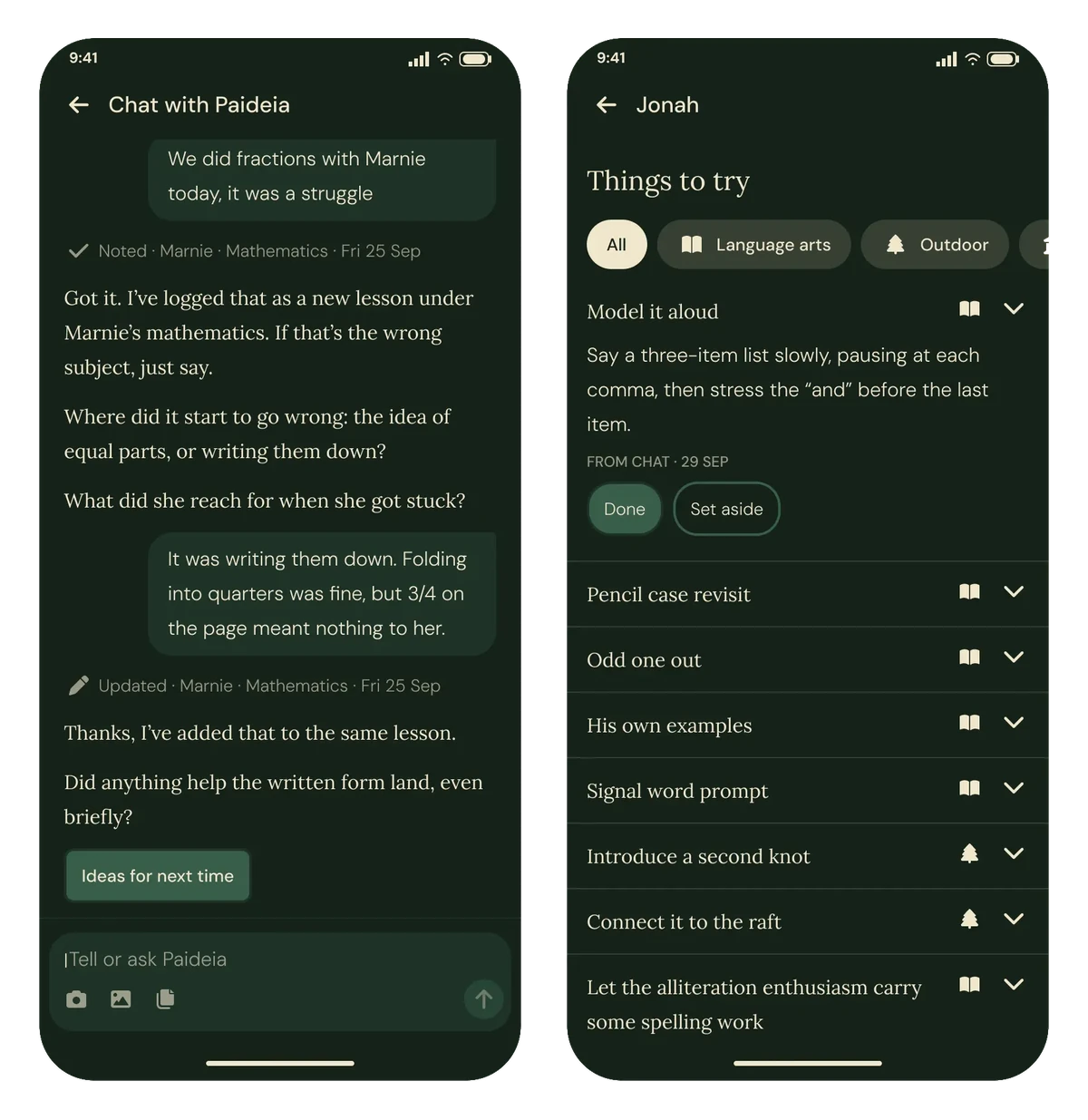
- 34 handwritten planner pages captured in 11 minutes, with no instruction
- 4 errors in 51 cells checked against a hand-built reference set
- The pilot tutor’s verdict moved from “no” on 28 July to “this is the whole thing” on 2 September
Coaching the adult who teaches, rather than tutoring the child
Solo, covering research, design and build
Every AI tool for home education either plans the week ahead or teaches the child directly. Paideia is the record of what actually happened in a lesson, turned into coaching for the adult who taught it. When the pilot tutor said no to checking every lesson read from her handwritten planner, I replaced that review queue with a conversation, because her own words can’t be misread the way handwriting can.
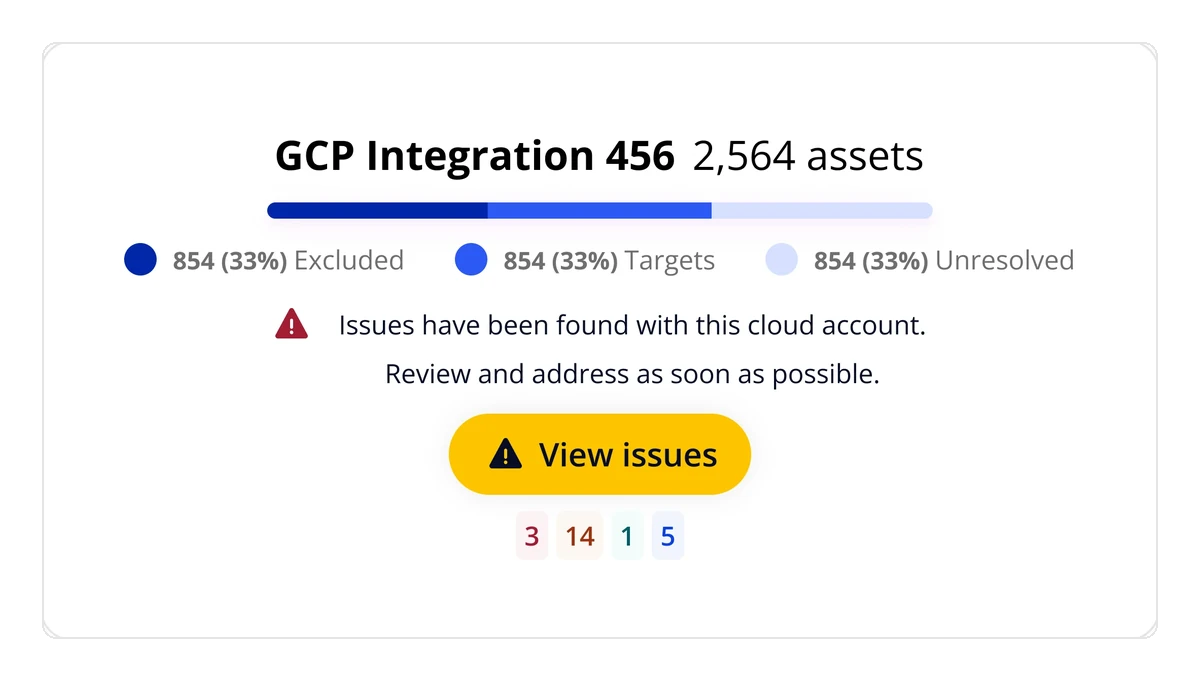
- Revenue from targets added through cloud integrations grew 10× in the six months after release
- 11× higher activation for ICP customers who connected their cloud accounts, compared with those who didn't
- ~20% faster time to activation
Repositioning asset discovery as a core product experience
Lead designer and project lead, co-owning scope with engineering
Customers held back from connecting their cloud accounts because every asset found could add an unexpected licence charge. The licensing model couldn't change commercially, so we designed around it: sync controls let customers explore an integration before committing any spend.
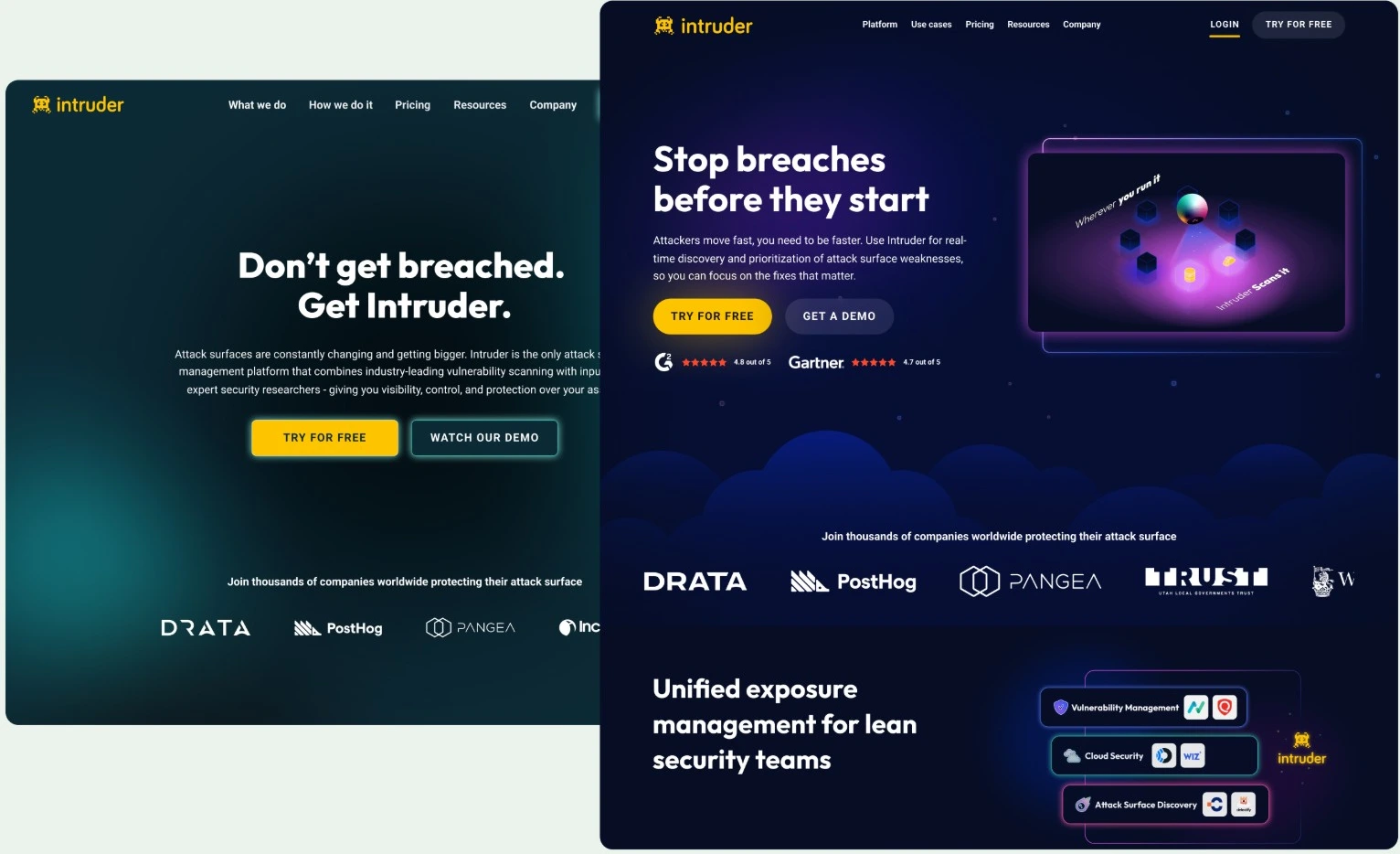
- +33% product team capacity, from lower build and handover overheads once the revised design system was in place
- The first major conference stand after the rebrand drew bigger crowds than competitors with far larger budgets
- +52% year-on-year enterprise growth, which the brand contributed to alongside earlier pricing work
Evolving a cybersecurity brand for enterprise growth
Lead designer and project lead, owning creative direction
To win enterprise trust without losing the personality customers loved, we kept the logo, the signature yellow and the typography, and rolled out marketing first, so the direction was tested in market before it touched the product.
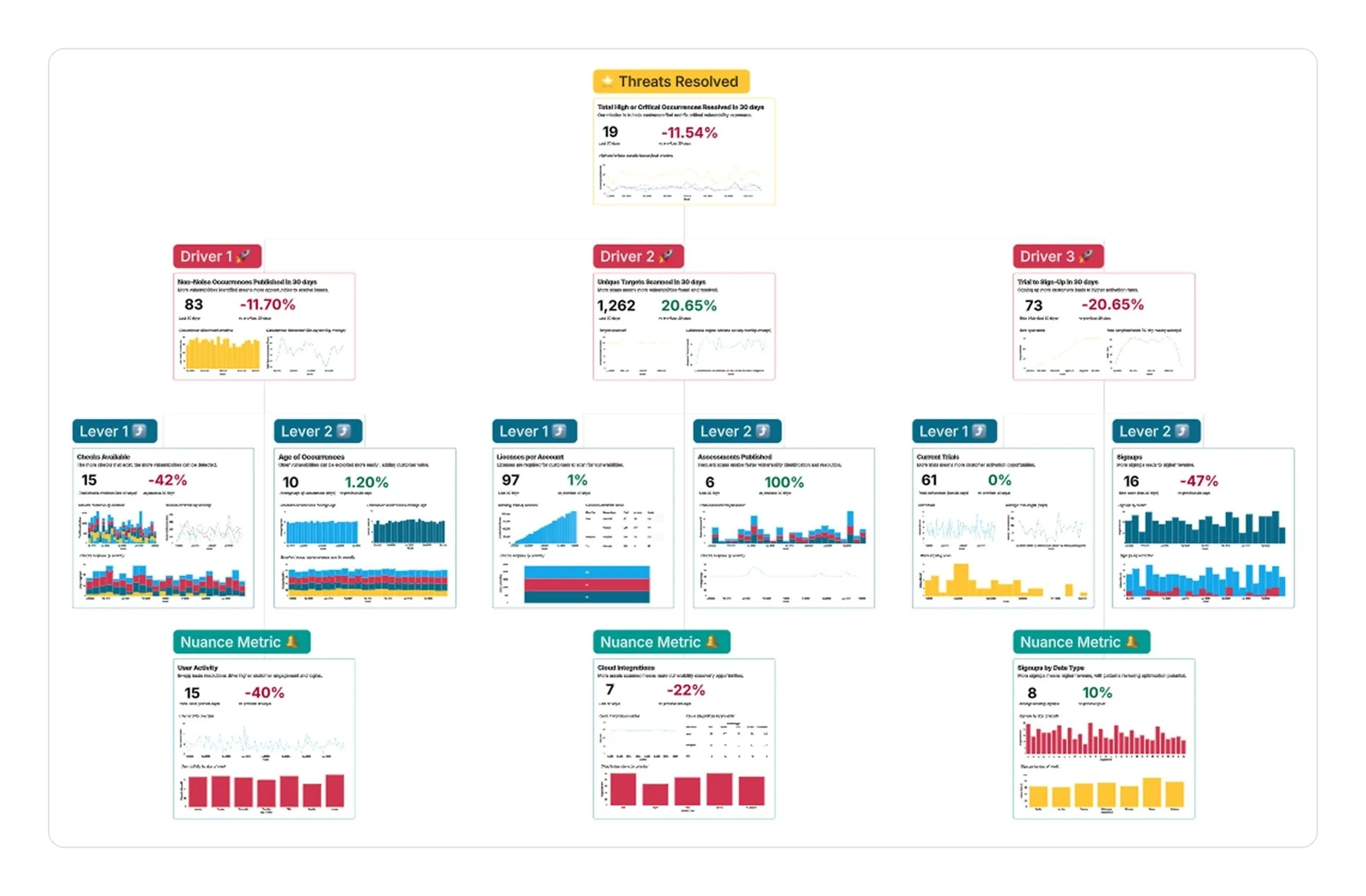
- Adopted company-wide as every product team’s measure of success, and featured by Count, the BI tool it was built in, as a customer case study
- +140% vulnerabilities detected and +94% targets monitored
- 10× faster median time to fix for enterprise customers
Crafting a metrics framework to guide product success
Initiator, framework designer and project lead
Replacing ad hoc revenue tracking with one behaviour-based measure, I redefined activation from “ran a first scan” to “Intruder found something real”: trials that found an issue converted at 10.27%, against 2.88% for those that found none.
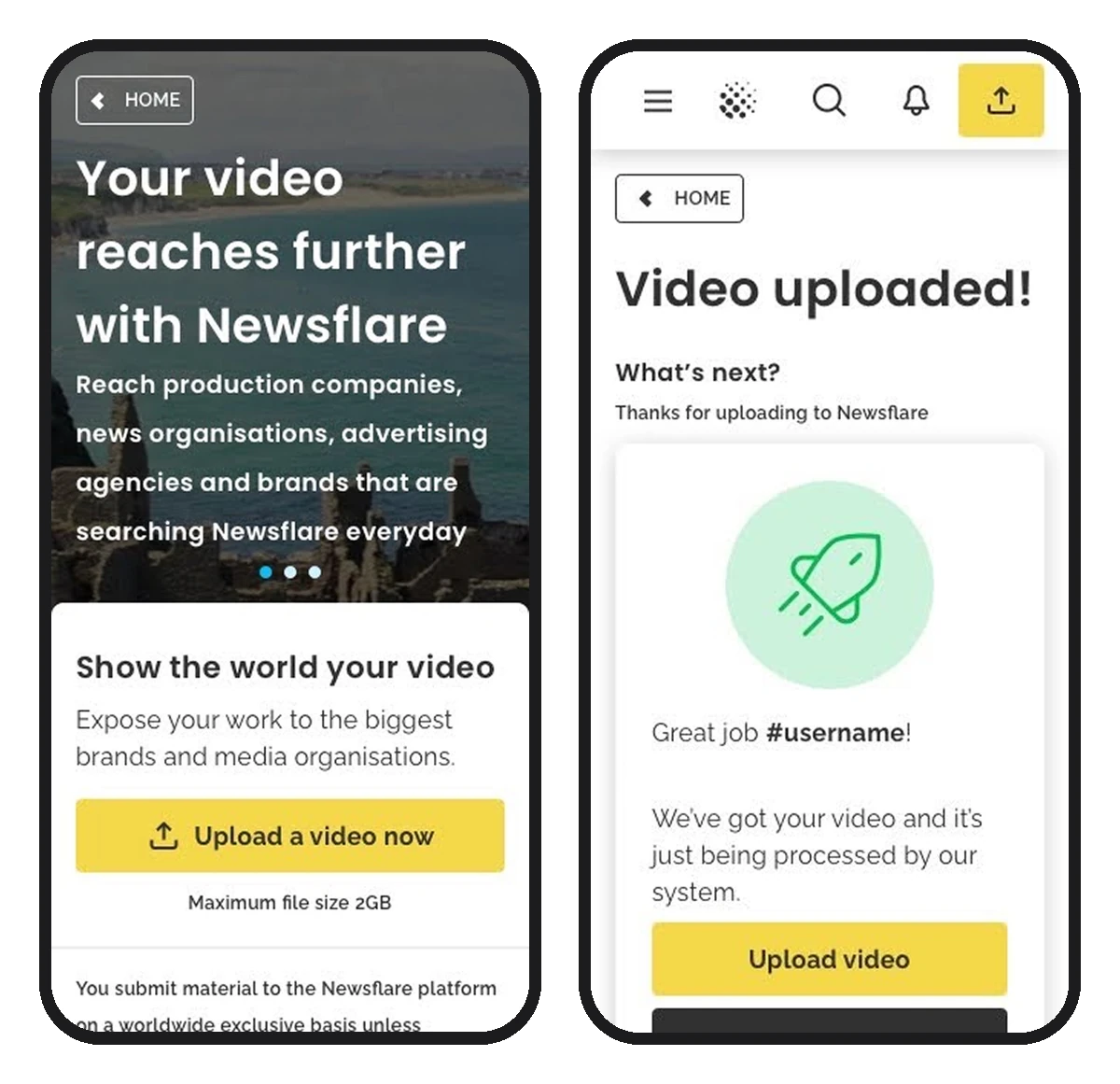
- Twice the uploads from Content Partners, from a one-time setup
- +50% uploads from Chasers, the segment producing around 65–70% of saleable video
- Five upload journeys consolidated into one
How research-led design doubled supply from key customer segments
Product and design lead
Rather than one better upload flow, we built separate solutions for different contributor segments, including an automated feed import that meant the highest-volume partners never had to upload at all.

- One designer promoted to lead and pay rises secured across the Intruder team
- A brand and campaigns role argued for and hired, so product designers stopped doubling as graphic designers
- Quarterly design metrics presented to the executive team, shaping roadmap priorities and resourcing
Building the processes and people that make good design decisions repeatable
Product Design Manager, Intruder; Head of User Experience and Design, Newsflare
Most of this work never shows up in a case study: the governance that settles who owns a decision, the review principles and team rituals, and the coaching that took designers from executing briefs to leading cross-functional work. At Newsflare it began with building the product team from the ground up.
Now
Updated
- Looking
- Open to design leadership and principal designer roles, permanent or fractional (two to three days a week), UK remote.
- Consulting
- Working independently since October, starting with product strategy for a growing retailer as it moves into a store four to five times its size.
- Building
- Paideia, an AI coaching tool for home educators that I research, design and build on my own, now in interviews with more households ahead of a wider trial.
- Running
- The Stromata, a public-domain reading library I designed and built through to production code.
What people say
Keith has a great ability to understand both the technical side and the commercial side of things, which is not that common. He was very good at framing problems clearly and bringing the right level of evidence to support decisions, without overcomplicating things.
Working with him didn't just improve the design, it genuinely made the product better for every user type. He had a strong influence on decisions, even when he wasn't directly responsible for them, and always in a very collaborative and respectful way.

Keith and Naomi came to the senior leadership team and said this isn't working, and because of them we had that discussion. I sat down with Keith and we tried to work out the key drivers. This really for me is about understanding at a top level whether all of the levers and components are moving in the right direction.

Keith is an excellent people manager. He is a thoughtful, caring, inspirational, and conscientious leader. Who is not afraid to speak up for his and his team's beliefs. Keith's input into People/HR projects I was working on led to adjustments that ultimately improved our working culture.

The projects I worked on with Keith had a material impact on the performance of the business. As a designer and product manager, Keith always approached problems collaboratively and with an eagerness to find creative solutions. Importantly, Keith also helped grow the culture of data-driven decision-making.

Keith is a highly skilled and focused product manager. He approaches every challenge with patience and understanding. He has been invaluable when it comes to learning, understanding and improving our user experience. He is great at working with the wider business to bridge the gap between the tech and product teams and the commercial teams.

What I'm looking for
The right conversation,
not just the next role.
I work best in remote, async-leaning product organisations where design already has a seat but hasn't yet realised its full influence, whether that's a scaling company from Series A to C or a smaller team where I can wear both product and design hats in a 0-to-1 context.
The roles I find most rewarding involve building research practice, coaching designers into broader strategic contributors, and doing the connective work between what users need and what the business is trying to achieve.
I'm open to the right conversation.
If any of that sounds like the problem you have,
hello@iamkeithmason.com