Leadership

I've spent most of my career where design had influence, but not the structure to use it well. Building that structure is the work I find most meaningful.

  • 1 → 4designers at Intruder
  • 20 → 60people at Newsflare, roughly
  • +33%product team capacity
  • 8 yearsleading design teams

Teams and their return

Time at each company, with a tick for each promotion and the results each team's work produced, placed by the year they landed.

Intruder 2022–2026

Product Design Manager, leading the design function.

Team

The team went from the one designer I inherited to four at its largest, fully remote from Japan to Bristol: two product designers joined soon after I started, and I made the case for a brand and campaigns designer, then hired one. I secured one designer's promotion to lead and pay rises across the team, and presented design metrics to the executive team every quarter.

Return

  • 2024+33%product team capacity once the design system was in place, from lower build and handover overheads
  • 202510×revenue from targets added through cloud integrations, in the six months after release
  • 2025–26+37%customer activation after cutting onboarding from 21 steps to one
Newsflare 2017–2022

Joined as Lead UX/UI Designer, promoted to Product Lead in 2019 and to Head of User Experience and Design in 2022.

Team

Built product and design process from the ground up as the company grew from about 20 to about 60 people, and oversaw two growth teams of about six, coaching their leads.

Return

  • 201920 to 80+videos packaged a day over two quarters, with a smaller team and no drop in sales rate
  • 202025.9%consent-form conversion on breaking news, up from 12.6%
  • 20222×footage each month from the most valuable contributors, through a supply channel found in research

How design worked, and what I changed

Intruder 2022–2026

Before

When I joined, a 21-step onboarding checklist was going live. The team had seen that trials which reached certain milestones were more likely to buy, so every milestone became a required step, and a pattern in the data became a script for every customer. Success was judged after the fact, project by project, and decisions went mostly to whatever looked likely to bring in the most money. There was no design system, the front-end engineers worked alone on separate code, and designers moved from request to request without a team of their own.

What I changed

I argued for agreeing how we would measure success before a project started, from one consistent set of measures, so we stopped inventing new ones each time and everyone had bought into what mattered before the results came in. I also argued for a shared design system, for the front-end engineers to work as one group, and for product squads that each owned an outcome, and I kept arguing until the design system and the squads landed.

Where it led

The metrics framework I proposed was adopted company-wide as every product team's measure of success, and the design system gave the product team about a third more capacity, from lower build and handover overheads. Squads were adopted in the end, and I don't think they would have been without that persistence.

Newsflare 2017–2022

Before

Newsflare grew from about 20 people to about 60 while I was there. When I joined there were several competing journeys for uploading a video, a rudimentary backlog but no coherent product process, and no user research. Product and engineering worked apart from the rest of the business, and designers and developers shared one pool. Nothing set out how to judge a feature before or after it was built, so every number someone predicted started an argument about where it came from and how it was calculated.

What I changed

I introduced agile ways of working, ran the rituals, including regular retrospectives, and brought in user research. I worked to get everyone agreed on which numbers mattered and how each was calculated, so we could say which number a feature should move without re-arguing the number itself, and introduced a way to show whether each feature we shipped had moved it. I added a dedicated product designer to the team and kept the executive team close to the work. Growth ran through two teams of about six, including sales, and I coached their leads to work towards an outcome rather than a list of features.

Where it led

The Newsflare results above came from those teams. Before I left, I proposed the next step: a conventional product team structure, with each team owning its own part of the product.

Who did what on Intruder’s brand refresh: early concepts, Lee Evans and me; the chosen direction and first graphic motifs, me; brand development and rollout, Dewi Gonzalez and Nika Vižintin Prinz; design system contributions, Lee Evans.


How I lead

I treat managing a design team as design at a different scale. The job is to settle, before the work starts, who owns a decision, which number it should move and what counts as finished, so designers can act on what they find without waiting for me.

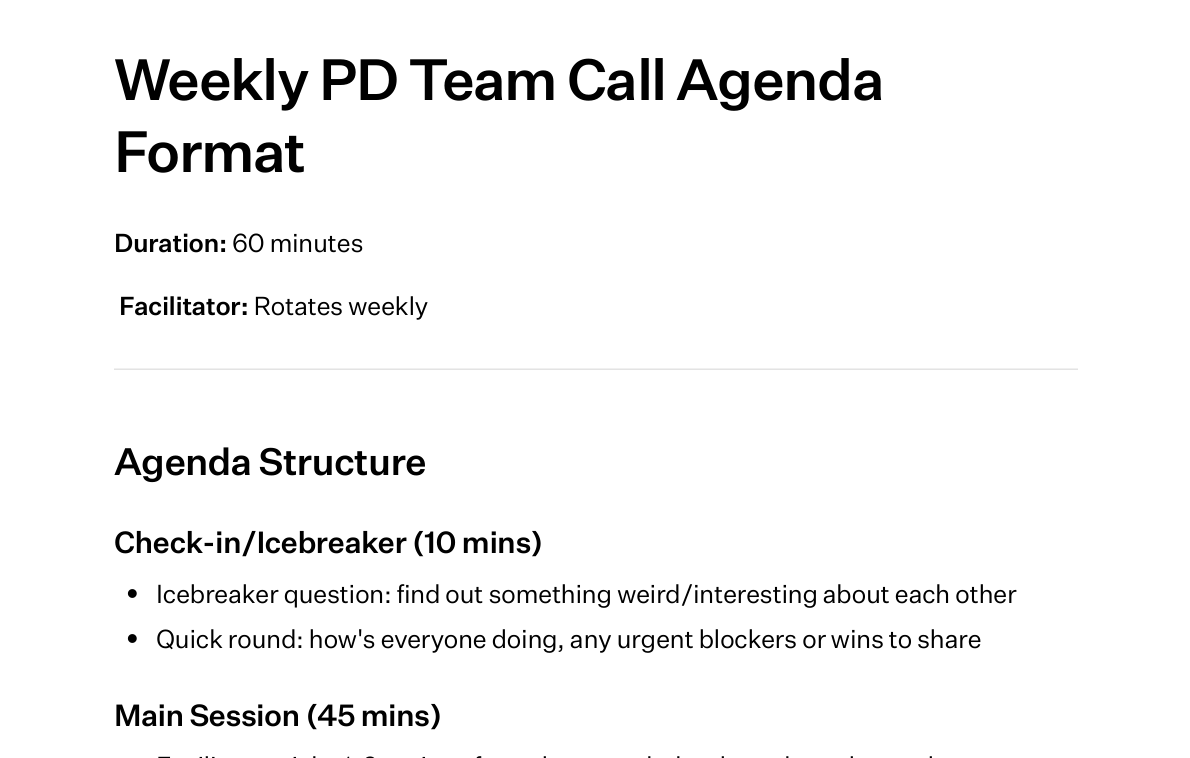
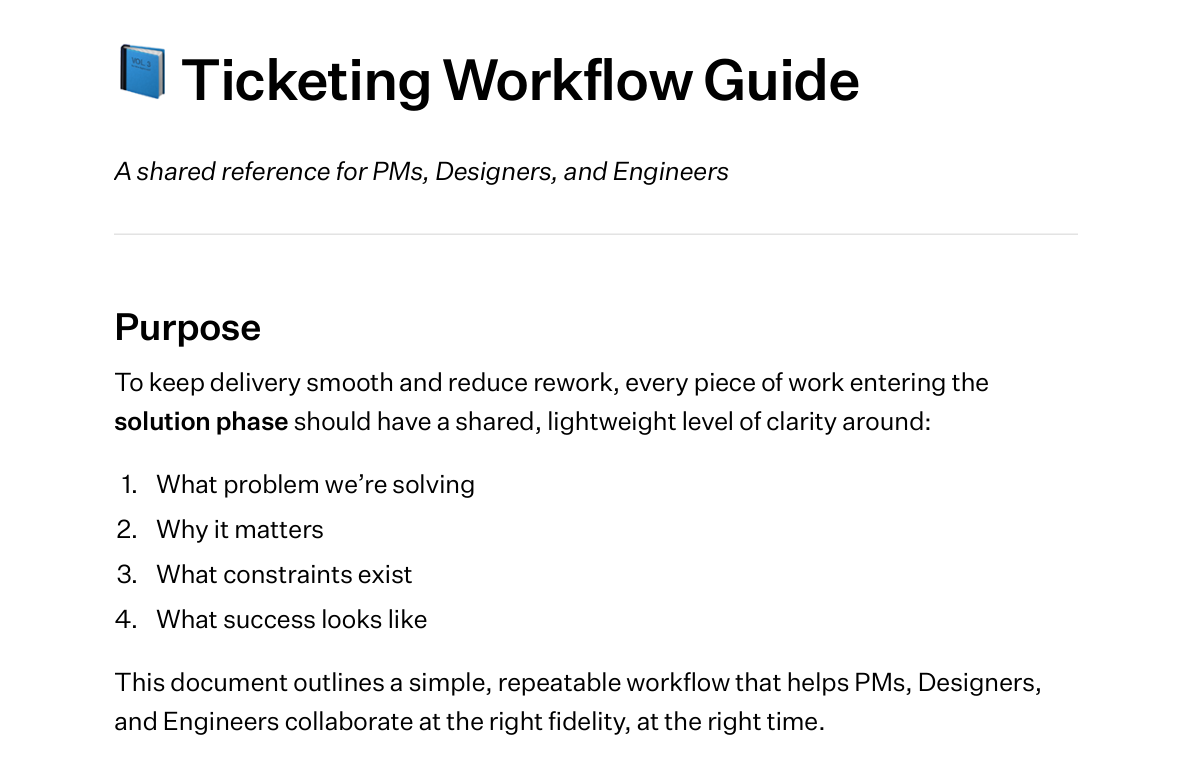
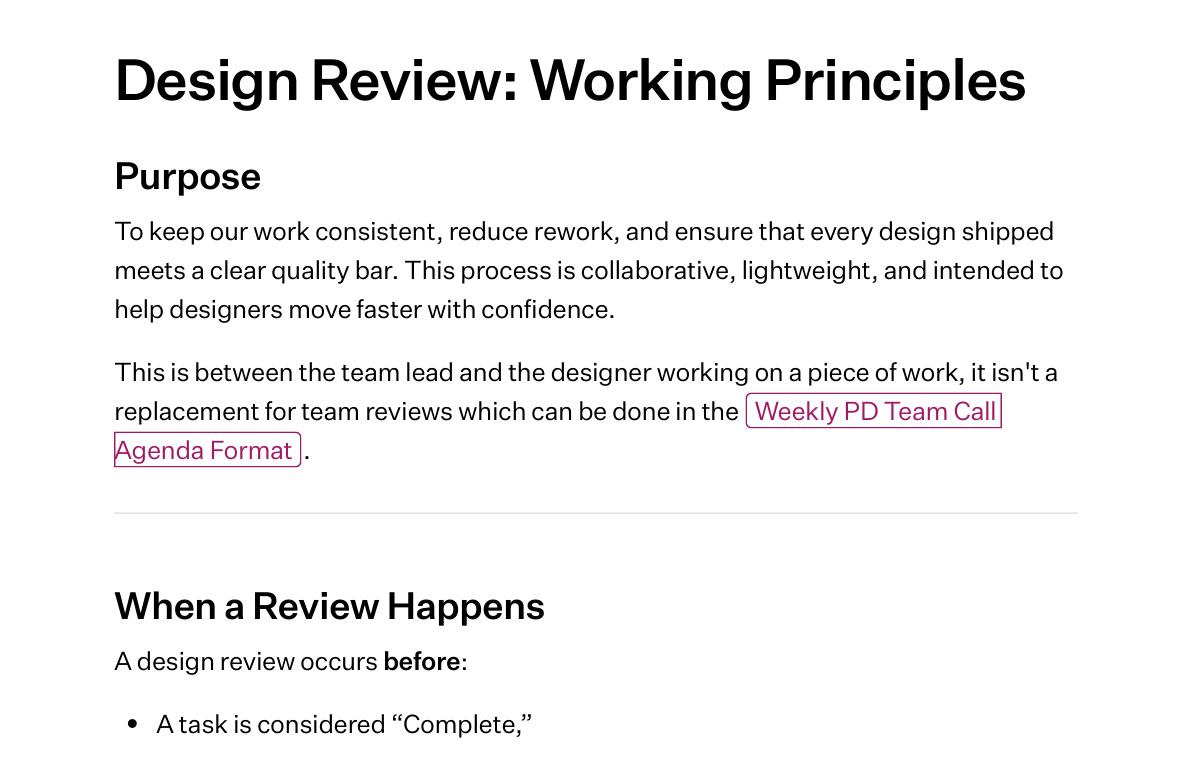
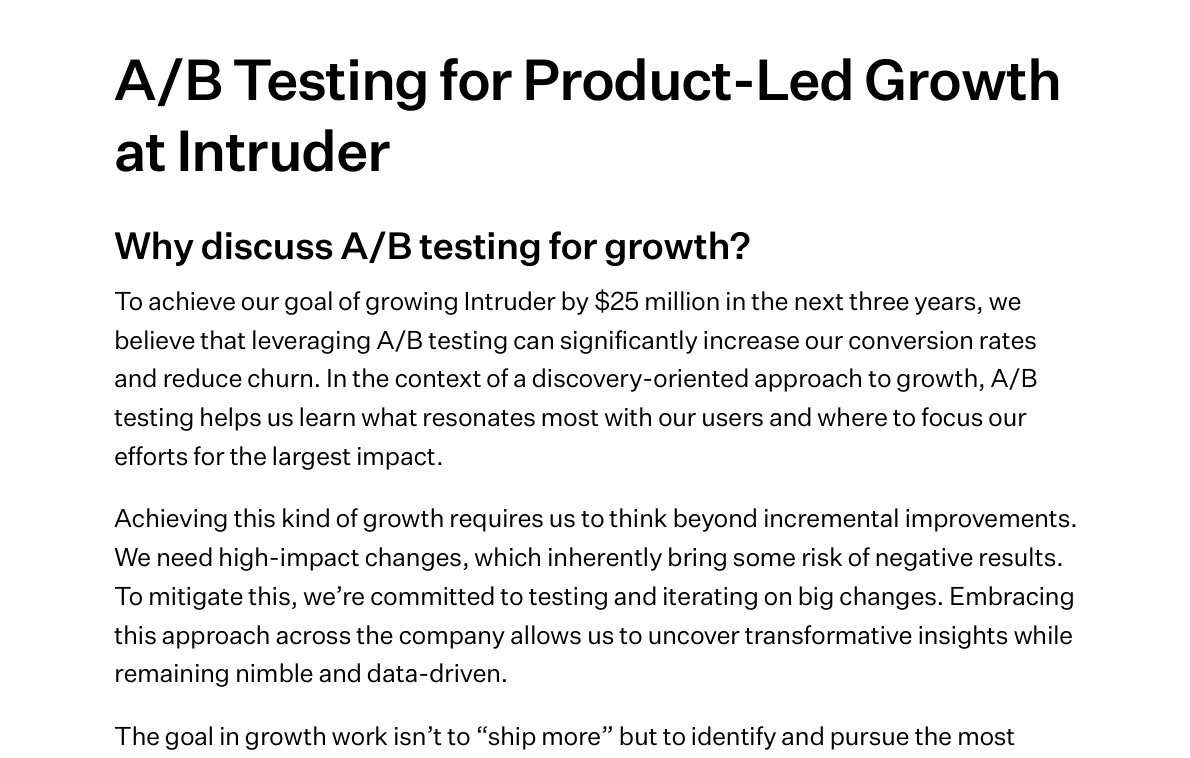
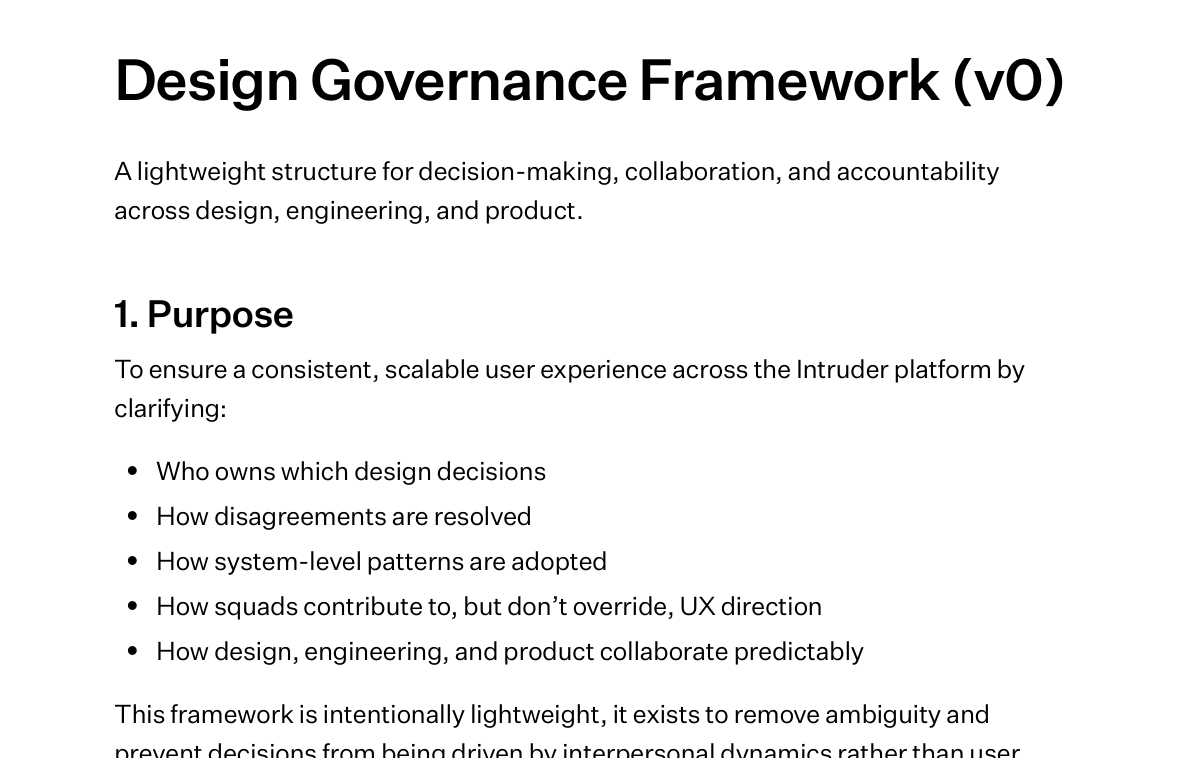
It also means translating between what the business thinks it needs and what design can offer, which are rarely the same thing. The documents below are where that ended up at Intruder: a governance framework, working principles for design review, an agenda for the weekly team call, and the rest of how the team worked, written down.

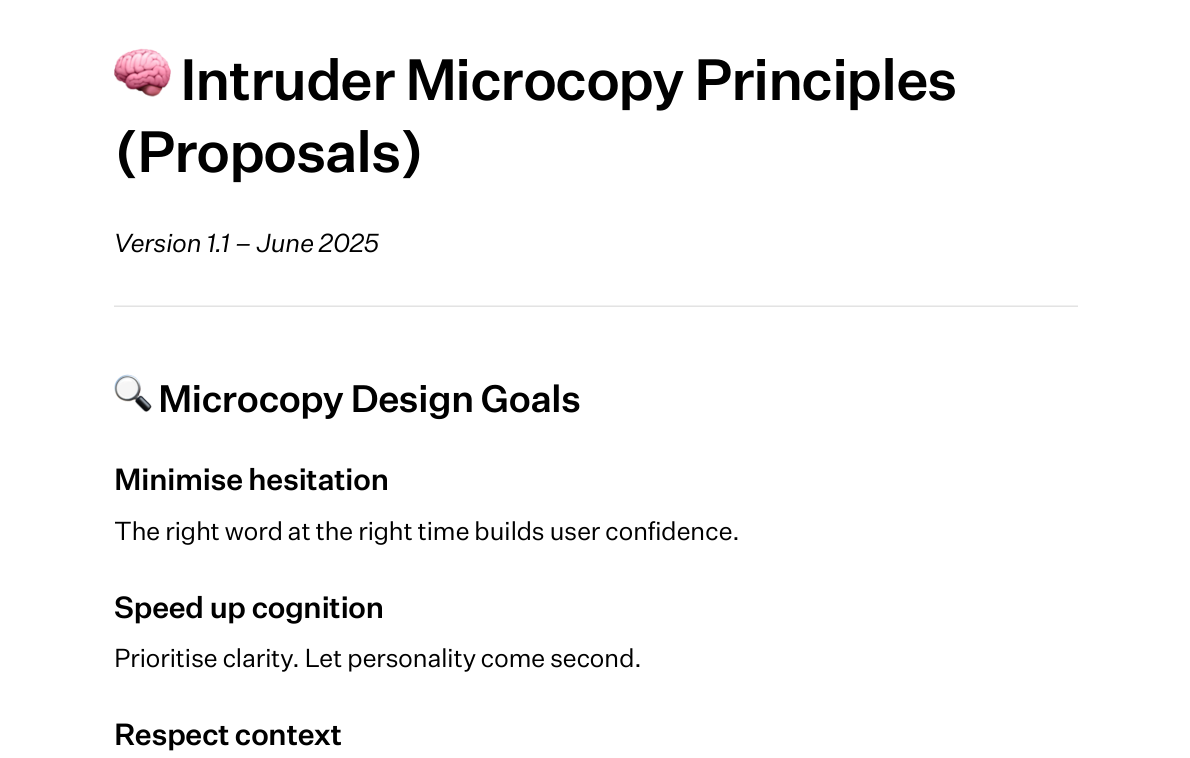
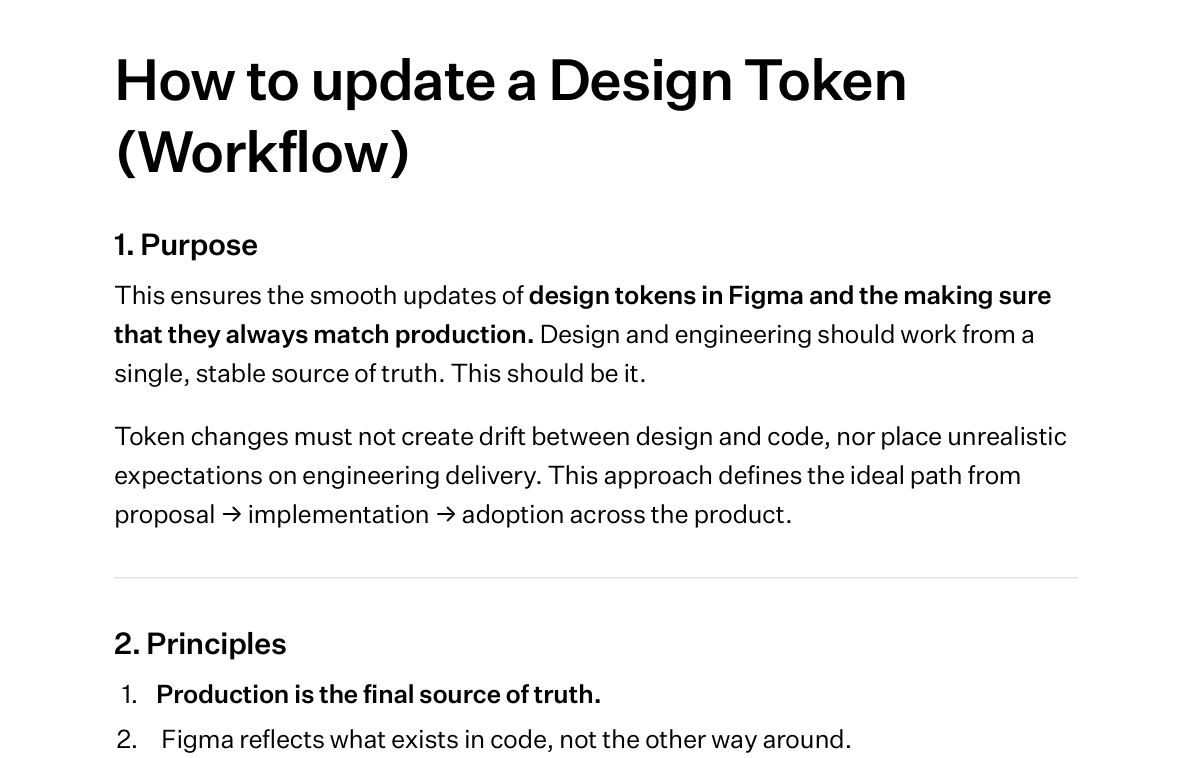
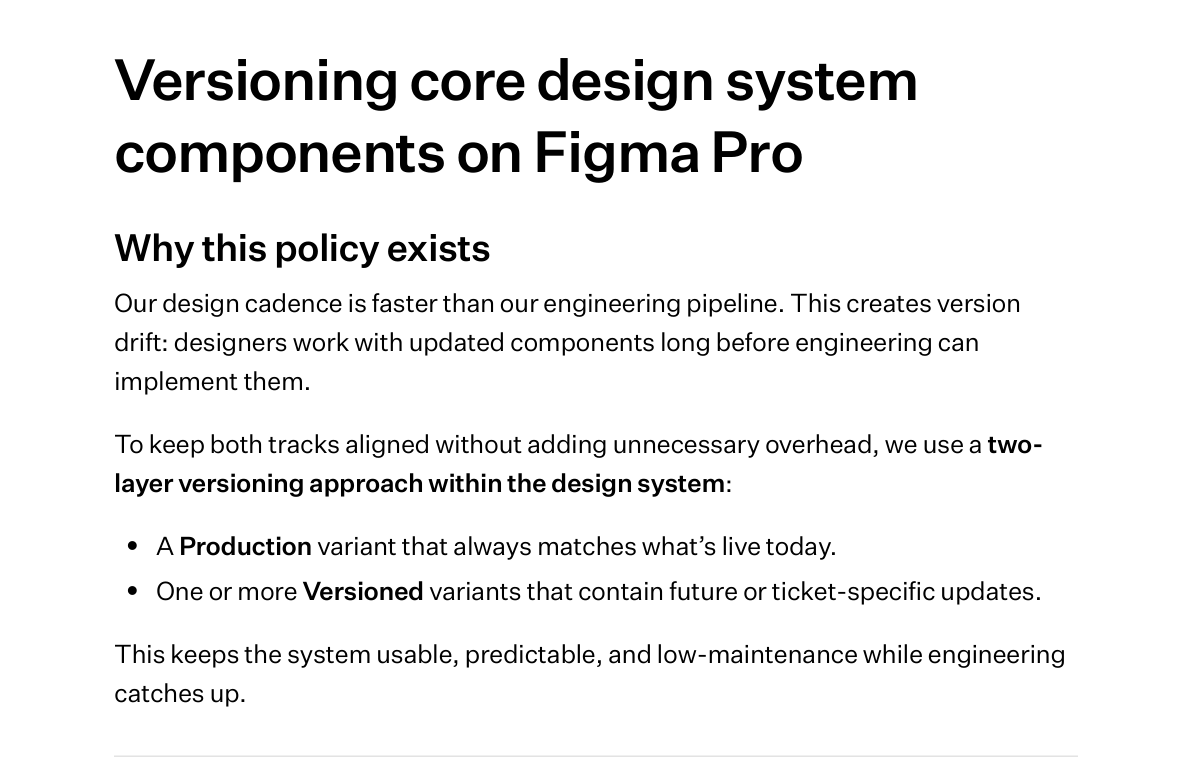
Design Governance Framework (v0) - Slab document Weekly PD Team Call Agenda Format - Slab document Ticketing Workflow Guide - Slab document Design Review: Working Principles - Slab document A/B Testing for Product-Led Growth at Intruder - Slab document Intruder Microcopy Principles (Proposals) - Slab document How to update a Design Token (Workflow) - Slab document Versioning core design system components on Figma Pro - Slab document
Process documentation, governance frameworks, and team rituals I built at Intruder.

How I develop people

At Intruder I managed three senior product designers, one of whom I coached and promoted into a lead role. I also recruited a brand and campaigns designer who extended the team's range into territory we'd previously outsourced or gone without.

The thing I've learned about developing designers is that the most impactful coaching isn't about craft. It's about helping people see the system they're operating in, understand what the business actually needs from them, and build the confidence to operate beyond their job description. The designers I managed went from executing briefs to leading cross-functional initiatives, and that shift happened through ongoing conversation and mentoring, not a training programme.

At Newsflare I hired and coached the in-house designers while building the product process around them. The growth work there was inseparable from the people work because the team's capability determined what the company could attempt.

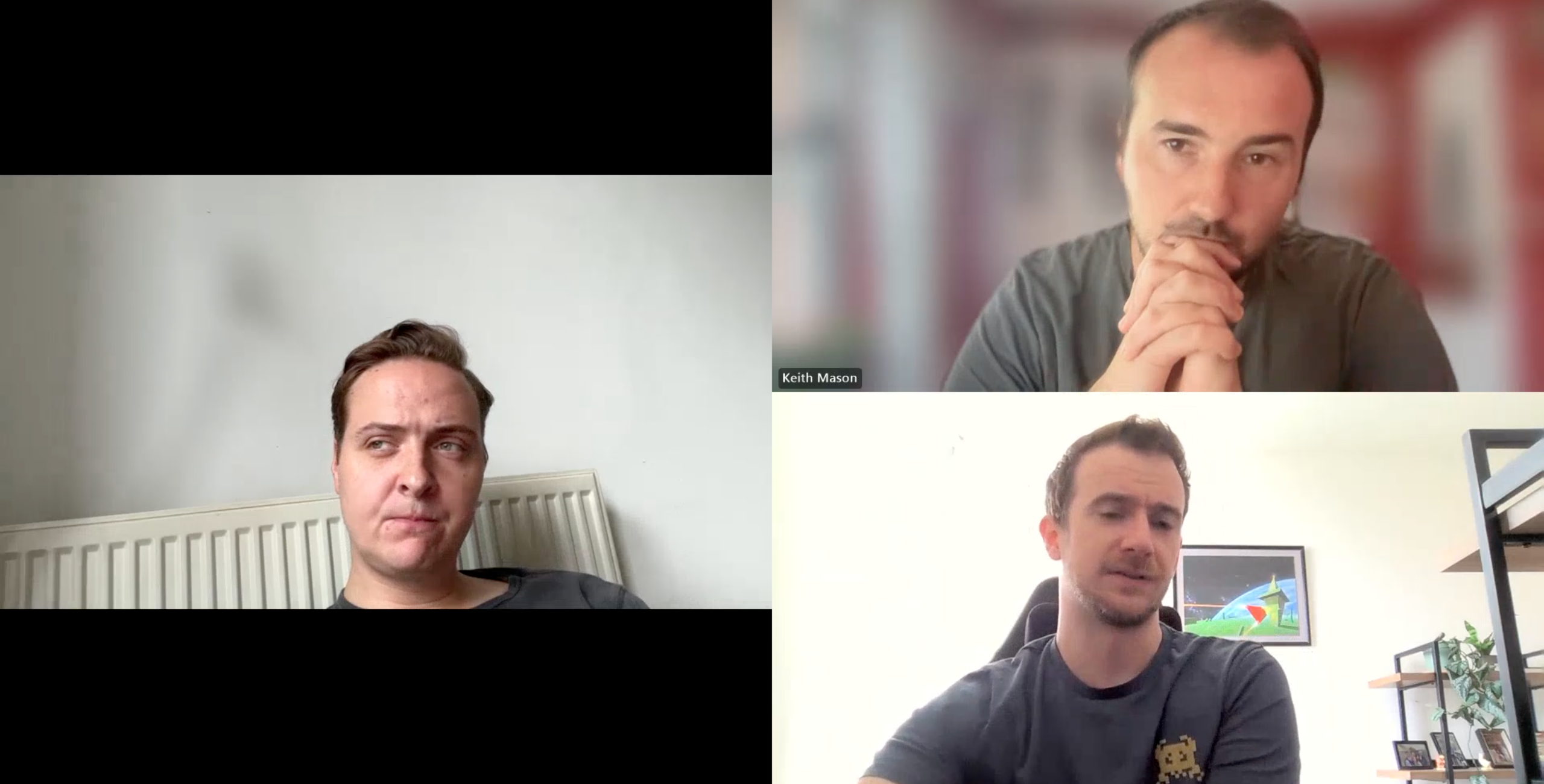
Weekly design team call with Keith Mason in the top right
Walking the security team through a proposal to reframe Intruder's scoring system, making it more actionable for customers and designed to encourage better security practices.

Keith and Naomi came to the senior leadership team and said this isn't working, and because of them we had that discussion. I sat down with Keith and we tried to work out the key drivers. This really for me is about understanding at a top level whether all of the levers and components are moving in the right direction.

Andy Hornegold
Andy Hornegold VP Product, Intruder

Keith consistently gave me feedback in a timely manner and in a way that left no ambiguity about where I stood. I never had to guess. When I needed to improve, he gave me grace, time, and tangible support to get there. Even when I failed, he helped me see the growth in it. Not many people understand this nuance of motivating the people who report to them, but Keith absolutely does.

He was also always the first to jump in when I needed support, and he brought genuine empathy to every situation. Yet he never let that compromise the standard my role required. That balance is rare.

Nika Vižintin Prinz
Nika Vižintin Prinz Lead Product Designer, Intruder

Keith has a great ability to understand both the technical side and the commercial side of things, which is not that common. He was very good at framing problems clearly and bringing the right level of evidence to support decisions, without overcomplicating things.

Working with him didn't just improve the design, it genuinely made the product better for every user type. He had a strong influence on decisions, even when he wasn't directly responsible for them, and always in a very collaborative and respectful way.

Andrea Cavalieri
Andrea Cavalieri CTO, Newsflare

Keith is an excellent people manager. He is a thoughtful, caring, inspirational, and conscientious leader. Who is not afraid to speak up for his and his team's beliefs. Keith's input into People/HR projects I was working on led to adjustments that ultimately improved our working culture.

Max Encke
Max Encke Head of People, Intruder

The projects I worked on with Keith had a material impact on the performance of the business. As a designer and product manager, Keith always approached problems collaboratively and with an eagerness to find creative solutions. Importantly, Keith also helped grow the culture of data-driven decision-making.

David Hickey
David Hickey Editor-in-Chief, Newsflare

Keith is a highly skilled and focused product manager. He approaches every challenge with patience and understanding. He has been invaluable when it comes to learning, understanding and improving our user experience. He is great at working with the wider business to bridge the gap between the tech and product teams and the commercial teams.

Sophie Shuttleworth
Sophie Shuttleworth Customer Success Manager, Newsflare